

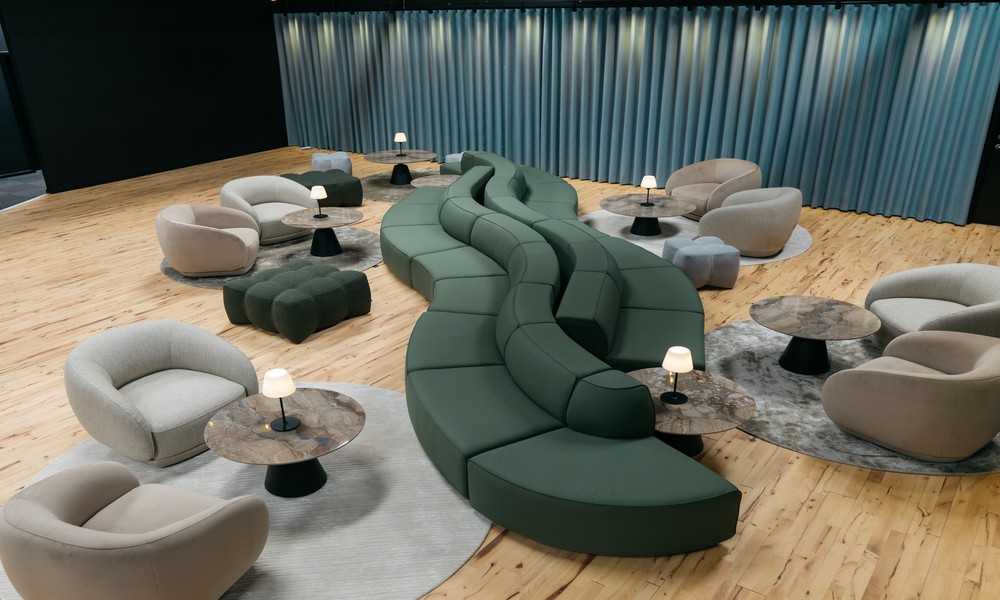
Obsolete office blocks and drab industrial shells are fading into history, replaced by workspaces that inspire creativity, foster wellness, and embody a company’s values. Architecture has become a key driver in shaping how people feel, collaborate, and perform at work. But how did we arrive at this new standard for workplace design, and where are we heading next?
Origins of Architectural Design in Workplace Environments
Early Industrial and Office Spaces: Function Over Form
The earliest workplaces were designed with a single goal in mind: efficiency. Factories and offices prioritized utilitarian layouts, with workers packed into rows or assembly lines and little concern for comfort. Windows were small, materials spartan, and amenities virtually nonexistent. The message was clear: productivity above all else.
The Rise of Modernism: Clean Lines and Efficiency
By the early-to-mid 20th century, modernist principles brought about a stark shift. Designers embraced open layouts, large glass panes, and clean lines, aiming for a sense of order and progress. Yet, while these spaces felt more spacious and light-filled, employee well-being was still not a central concern. The workspace served the process, not the people.
Initial Incorporation of Employee Well-being
It wasn’t until the late 20th century that the connection between environment and productivity gained recognition. Elements like natural light, improved ventilation, and ergonomic furniture began appearing. Companies noticed that thoughtful design could reduce absenteeism and boost morale.
The Shift Toward Premium Design Strategies
Embracing Aesthetics and Brand Identity
What distinguishes a premium workplace from a generic one? Increasingly, organizations use architecture to telegraph their culture and values. A thoughtfully designed lobby or break-out space makes a statement about who you are as a company. Color palettes, materials, and spatial arrangements are chosen to strengthen brand identity and attract talent.
Integration of Technology and Smart Building Solutions
Premium design now means more than beautiful spaces. Smart systems control lighting, climate, and security, while touchless entryways and digital wayfinding ramp up convenience and safety. Employees enjoy seamless, personalized experiences that support both concentration and collaboration.
Sustainability as a Core Design Principle
Premium design strategies have also integrated sustainability at every level. From high-performance glazing and energy-efficient HVAC systems to locally sourced materials, green architecture is no longer a luxury, it is an expectation. Certifications like LEED or WELL signal a commitment to both environmental stewardship and occupant health.
Contemporary Architectural Trends Elevating Workplaces
Biophilic Design and Natural Elements
Biophilic design brings the outside in. Living walls, daylight-filled atriums, and the use of natural materials link workers with nature, which has been shown to reduce stress and improve focus. The result is spaces that feel healthier and more grounded.
Flexible and Adaptive Workspaces
Rigid cubicles are giving way to agile layouts. Moveable partitions, multi-use rooms, and modular furniture let workplaces evolve with changing team needs. This flexibility supports both solo work and group tasks, responding swiftly to new ways of working.
Wellness-Centered Interiors and Amenities
Today’s premium offices offer amenities that cater to body and mind. On-site fitness, meditation rooms, well-equipped kitchens, and access to outdoor spaces all play a part. This focus on holistic wellness ultimately supports better performance and higher satisfaction.
Case Studies of Premium Workplace Architecture
Innovative Office Buildings in Montreal and Toronto
These two cities have become hubs for cutting-edge workspace design. In Montreal and Toronto, leading firms are crafting environments where aesthetics, functionality, and sustainability converge. A notable example is the Stendel + Reich architecture firm, whose portfolio spans everything from office interiors to industrial complexes, illustrating how thoughtful architecture can transform daily work life.
Transforming Industrial Spaces into Collaborative Hubs
Old factories and warehouses are being reborn as collaborative offices and innovation centers. By retaining historical features while integrating modern comforts, architects bridge the past and present, resulting in workplaces that are both inspiring and practical.
High-Tech Facilities with Cutting-Edge Design
From data centers to pharma labs, high-tech facilities demand architectural solutions that combine precision with adaptability. The best designs accommodate advanced equipment while offering light-filled, human-centered spaces for staff.
The Role of Interior Architecture in Enhancing Productivity
Space Planning for Collaboration and Privacy
Open offices foster teamwork, but not everyone thrives in constant motion. Strategic zoning, acoustic treatments, and private pods allow employees to choose how they work best, balancing collaboration with spaces for focus.
Use of Lighting, Acoustics, and Materials
Natural and adjustable artificial lighting, noise-dampening materials, and tactile surfaces all affect mood and energy. Premium designs pay careful attention to these details, optimizing comfort and performance.
Customization and Branding through Interior Design
Custom furnishings, branded graphics, and curated art add personality and create a sense of belonging. These features are far more than decorative; they shape the everyday experience and reinforce organizational culture.
Future Directions in Workplace Architectural Design
Smart Buildings and IoT Integration
The next frontier for workplace design lies in smart technology. Sensors, automation, and data analytics help facilities adapt in real time, providing insight-driven comfort and efficiency.
Designing for Hybrid and Remote Work Models
Architecture now accommodates people who split time between home and office. Touchdown areas, video conferencing suites, and digital connectivity are increasingly standard.
Evolving Employee Expectations and Cultural Shifts
As generations shift and values evolve, employees expect workplaces that reflect inclusivity, flexibility, and a sense of purpose. Architecture must anticipate and adapt to these cultural transformations.
Implementing Premium Design Strategies: Challenges and Solutions
Balancing Budget with Design Ambitions
Premium does not always mean extravagant. The best results come from smart prioritization, where investments are made in features with the greatest impact on well-being and productivity.
Navigating Regulatory and Environmental Constraints
Building codes, accessibility laws, and sustainability mandates can complicate even the best-laid plans. Early collaboration with experienced architects and consultants streamlines the process.
Collaborating Across Disciplines for Cohesive Outcomes
The most successful projects emerge from true collaboration, uniting experts in architecture, engineering, design, and operations to achieve holistic results.
Conclusion: The Lasting Impact of Premium Architectural Design on Workplaces
The future of work is being shaped by architects who understand that design is not just about buildings, but about the people inside them. By fusing aesthetics, technology, sustainability, and wellness, premium architectural strategies are redefining what it means to go to work, and how great spaces can help people thrive.