
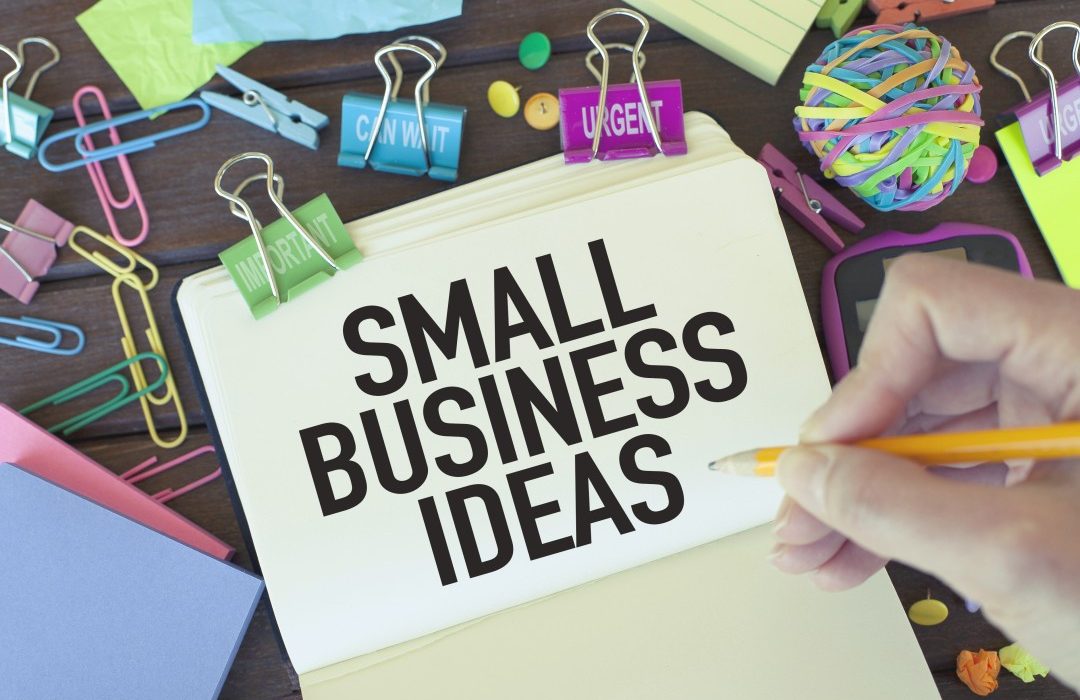
The best small business ideas in 2026 are the ones with low startup costs, growing demand, and skills you can develop without a degree. At the top of that list: AI-assisted content services, home services (cleaning, repairs, landscaping), reselling, bookkeeping, and online tutoring. These aren’t get-rich-quick ideas—they’re real, repeatable businesses, and exploring the best small business ideas can help you find a niche that matches your personal expertise.
The most important thing to understand before you pick an idea is this: market demand matters more than passion. A business you love but nobody pays for is just an expensive hobby. The sweet spot is finding something people regularly spend money on that you can learn, deliver consistently, and eventually scale – even if it’s just by hiring one other person.
What Makes a Small Business Idea Worth Pursuing?
| Criteria | What to Look For |
|---|---|
| Low barrier to entry | Can start for under $500 without special licensing |
| Recurring revenue | Customers come back monthly, not just once |
| Scalable | Can eventually hire others or productize the service |
| Growing market | Demand is rising, not shrinking |
| Skill gap opportunity | Most people can’t or won’t do it – you can |
Best Small Business Ideas by Category
| Business Idea | Startup Cost | Earning Potential | Skills Needed | Online/Offline |
|---|---|---|---|---|
| AI Content & Copywriting Service | $0-$100 | $3,000-$10,000/mo | Writing, AI tools | Online |
| House Cleaning Service | $100-$300 | $2,000-$6,000/mo | Physical, reliable | Offline |
| Bookkeeping Service | $50-$200 | $2,500-$7,000/mo | Basic accounting | Online/Hybrid |
| Online Tutoring | $0-$50 | $1,500-$5,000/mo | Subject expertise | Online |
| Reselling (eBay/Amazon/FB) | $200-$1,000 | $1,000-$8,000/mo | Sourcing, research | Both |
| Social Media Management | $0-$100 | $2,000-$8,000/mo | Content strategy | Online |
| Pet Sitting / Dog Walking | $0-$150 | $1,500-$4,000/mo | Animal comfort | Offline |
| Handyman / Home Repairs | $300-$1,000 | $3,000-$9,000/mo | Trade skills | Offline |
| Virtual Assistant | $0-$50 | $1,500-$5,000/mo | Organization, tools | Online |
| Print-on-Demand Store | $0-$100 | $500-$4,000/mo | Design basics | Online |
Service-Based Ideas (Fastest to Start)
House Cleaning
House cleaning is one of the most recession-resistant businesses out there. People with disposable income hire cleaners and don’t stop even when budgets tighten. You can start solo with basic supplies, build a client base through Nextdoor and word of mouth, and eventually hire cleaners as your roster grows. Profit margins are strong when you’re working solo – typically 50-70% of your rate.
Bookkeeping Service
Bookkeeping is chronically underserved for small businesses. Most owners hate it, are bad at it, or both – which means anyone who does it reliably and communicates well can build a stable book of clients. You don’t need a CPA license to do basic bookkeeping (though it helps). Tools like QuickBooks and Xero have certifications you can earn for free that lend credibility fast.
Digital Ideas (Most Scalable)
AI Content Services
This is the highest-growth opportunity of 2026. Businesses need content – blog posts, email sequences, product descriptions, social media – and most of them don’t have the time or skill to use AI tools effectively themselves. If you can position yourself as someone who uses AI to produce quality content at scale, clients will pay $500-3,000/month for ongoing packages. The actual work is part strategy, part editing, part project management.
Social Media Management
Small local businesses – restaurants, salons, gyms, dental offices – need social media presence but have no one to run it. A simple package of 12 posts per month, basic engagement, and a monthly report can command $500-1,500 per client. Ten clients means $5,000-15,000 a month. The skills are learnable in weeks, not years.
How to Validate Your Idea Before Spending Any Money
Most people skip validation and go straight to building – which is how they end up with a business nobody needs. Here’s a faster approach:
- Talk to 10 people in your target market. Not friends and family – actual potential customers.
- Ask if they currently pay for this. If they say no, ask why not.
- Offer to do it once for free or at cost. Their response will tell you everything.
- If three people say yes to a paid version, you have a business. Start there.
Common Mistakes New Business Owners Make
- Waiting until everything is perfect before launching – perfect is the enemy of profitable
- Pricing too low out of fear, then burning out delivering for rates that don’t work
- Trying to serve everyone instead of picking a specific niche or customer type
- Neglecting contracts and late payment policies until it’s too late
- Underestimating how much time goes into admin, taxes, and client communication
Getting Started: A Practical Checklist
| Step | Action | Timeline |
|---|---|---|
| 1 | Choose one idea and commit to testing it for 90 days | Day 1 |
| 2 | Define your target customer as specifically as possible | Days 1-3 |
| 3 | Set your pricing (research competitors) | Days 2-4 |
| 4 | Create a simple offer and a way to take payment | Days 3-7 |
| 5 | Tell 20 people – post, message, email, call | Days 5-10 |
| 6 | Deliver for your first customer exceptionally well | Week 2 |
| 7 | Ask for a referral and a review | Week 3 |
| 8 | Evaluate: is this something you can do for 3 years? | Day 90 |