

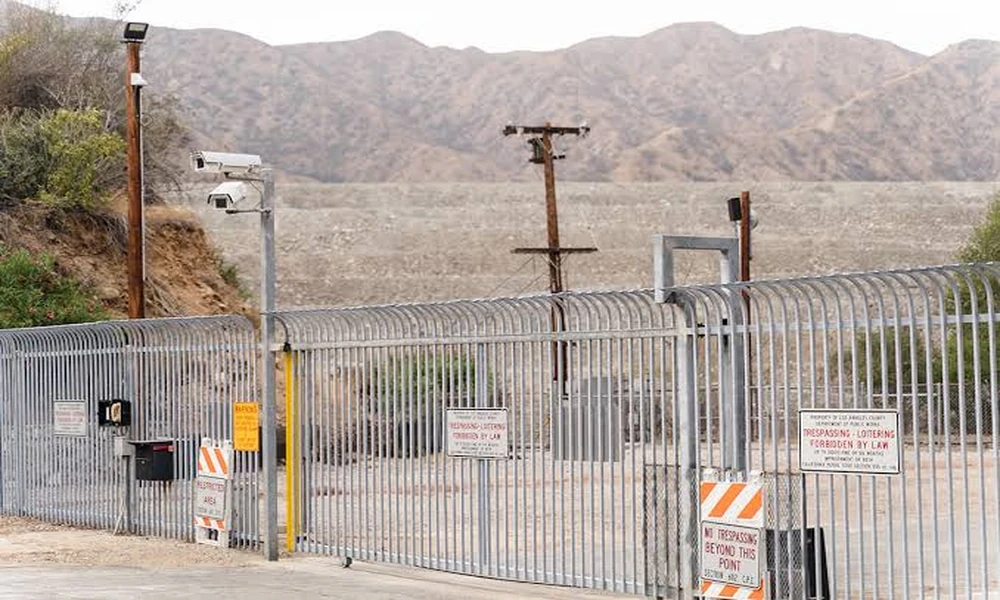
Outdoor assets face exposure from traffic, weather, trespassers, and unauthorized access. Strong perimeter controls create defined boundaries while preserving daily movement. Pace Protections can support secure layouts through controlled gates, barriers, and access planning. The right combination also protects equipment, storage zones, loading areas, and valuable materials without disrupting essential operations.
Controlled Gates Establish Clear Access Points
Controlled gates turn open boundaries into managed entry zones. Gate selection should match vehicle flow, site size, and security needs. Sliding systems suit limited setback areas, while swing gates work where clearance permits. Automated access can also reduce manual intervention during busy operating periods.
Key planning factors include:
- Match gate width with vehicle dimensions.
- Separate visitor and service access.
- Position controls away from collision zones.
- Provide emergency access without weakening security.
Why Do Perimeter Barriers Matter?
Perimeter barriers create physical separation around vulnerable outdoor areas. Their value extends beyond blocking unwanted entry. A well-positioned barrier guides vehicle movement, protects structures, and defines restricted zones. Concrete barriers suit high-impact locations, while steel systems can provide adaptable protection around equipment and storage areas.
Where Should Barrier Strength Increase?
Protection levels should reflect each zone’s exposure. Loading points face vehicle movement, while storage areas may face repeated pedestrian access. Pace Protections can help shape barrier arrangements around these differing risks. Stronger systems belong near vulnerable assets, turning perimeter design into a targeted security measure rather than a uniform installation.
Can Access Control Support Daily Operations?
Security works best when controlled entry remains practical. Keypads, cards, remote controls, and monitored systems can regulate movement without creating unnecessary delays. For busy compounds, separate lanes can keep deliveries moving while restricting sensitive areas. Clear signage also helps drivers understand approved routes before reaching controlled gates.
Smarter Layouts Protect Valuable Outdoor Assets
A perimeter system should support the entire operating environment. Barrier spacing can preserve turning areas, maintenance access, and pedestrian routes. Gates should open toward safe clearance zones, while impact protection can shield vulnerable corners.
Useful layout checks include:
- Preserve turning space for larger vehicles.
- Protect exposed equipment from reversing traffic.
- Keep pedestrian routes clearly separated.
- Leave maintenance access around fixed barriers.
- Review visibility near every controlled entrance.
Strong Boundaries Create Operational Discipline
A secure perimeter does more than discourage unauthorized access. It establishes predictable movement across an outdoor site. Once entry points, vehicle routes, and protected zones become clearly defined, daily activity becomes easier to control. That discipline can reduce accidental damage too, especially where equipment sits close to active traffic.
Outdoor Security Gains From Deliberate Design
Effective perimeter protection starts with site behavior, not hardware alone. A gate positioned beside a blind corner can create new hazards, while a barrier placed across a service route can disrupt essential work. Good design connects access control with movement patterns, asset placement, and emergency requirements. A protected loading lane can then serve as both a security boundary and a safer operating route.
FAQs
What assets benefit from perimeter barriers?
Equipment, stored materials, vehicles, tanks, and outdoor machinery can benefit from physical separation. Barrier strength should reflect exposure, traffic, and asset value.
Which gate type suits outdoor sites?
Sliding gates suit locations with limited swing clearance. Swing gates work well where sufficient opening space exists for safe operation.
Can automated gates improve security?
Automation can control access more consistently during busy periods. Credential systems also provide a practical way to restrict unauthorized entry.
How should barriers be positioned?
Barriers should protect vulnerable assets without blocking essential movement. Vehicle paths, pedestrian routes, visibility, maintenance access, and emergency entry all require consideration.