

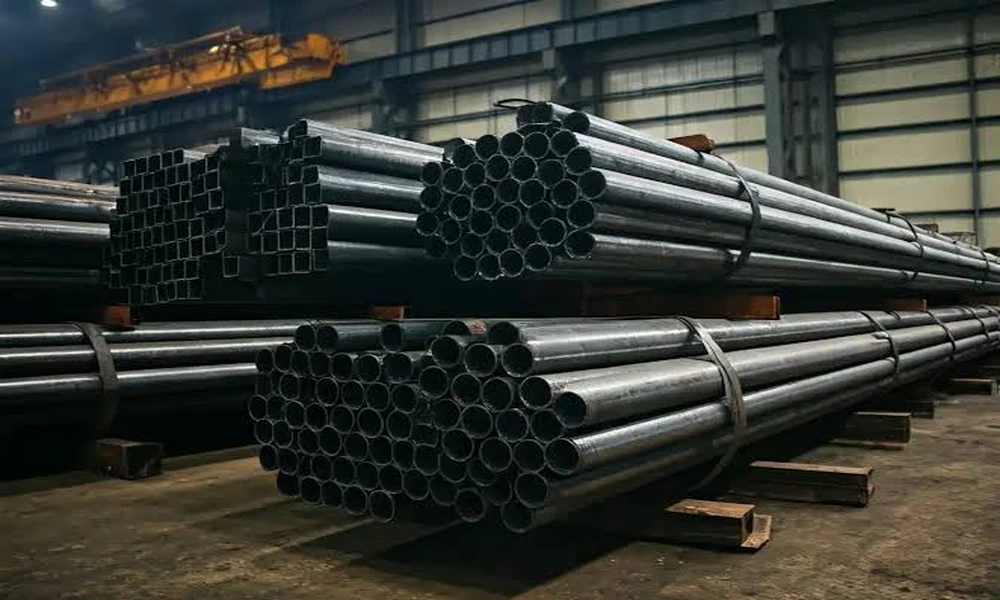
When a drainage system fails, the culprit is often hiding beneath the ground: the wrong pipe, poorly chosen. The difference between a property protected from flooding and one that demands constant repairs starts with the steel pipe you select.
Origins and Importance of Steel Pipes in Drainage Systems
Steel pipes began transforming infrastructure projects long before modern standards appeared. In the early days, wood or clay pipes were common, but their short lifespans became a construction headache. Steel arrived as a game-changer, offering durability where others cracked or collapsed. This resilience quickly made steel the backbone of urban and industrial drainage, keeping roads dry and buildings safe.
Initially, steel was costly and not always the first choice. Over time, however, the ability to withstand heavy loads and resist erosion made it the preferred material, especially as urban expansion demanded robust solutions. Early engineers faced challenges such as improper sizing and corrosion, which often led to costly failures. Their lessons laid the foundation for the meticulous standards used today.
Evolution of Steel Pipe Specifications and Standards
Modern drainage would be impossible without industry-wide specifications. As steel pipes became standard, authorities and engineering bodies established classifications for wall thickness, weight, and diameter. These standards ensure pipes carry the necessary loads and fit precisely into complex systems.
Advances in metallurgy led to new steel grades and corrosion-resistant coatings. These improvements not only extended the service life of pipes but also allowed them to be lighter without losing strength. Over decades, pipe dimensions have adjusted to meet stricter safety codes and to adapt to new construction technologies, reducing waste and streamlining installation.
Modern Types of Steel Pipes for Drainage
Choosing between seamless and welded pipes often sparks debate among engineers. Seamless pipes are prized for high-pressure applications and consistent strength, while welded varieties are more economical for most drainage systems, offering ample durability at lower cost.
Specialized needs call for unique solutions. Boring pipes, micropiles, and piling pipes each address different aspects of drainage, from tunneling beneath roads to reinforcing foundations. Instead of guessing, assess your drainage requirements, factors like soil type, expected loads, and water volume often dictate which type to use.
Factors Influencing the Right Steel Pipe Selection Today
No two drainage systems face the same pressures. Consider these critical factors:
– Load and Pressure: Heavier traffic or soil conditions demand thicker walls and higher-grade steel.
– Material Quality: Substandard steel or improper specifications can jeopardize the entire drainage project.
– Environmental Impact: Pipes exposed to corrosive soils or water must be treated or coated for protection, adding years to their lifespan.
Prioritizing these points ensures not just compliance with regulations but also peace of mind that your infrastructure will last.
Sourcing Steel Pipes: From Surplus to Newly Manufactured
Surplus steel pipes often present an attractive cost-saving option, especially for large-scale projects. The trade-off? Surplus pipes may require more careful inspection for wear or prior modifications. Newly manufactured pipes, on the other hand, guarantee precise specifications and material consistency, but at a higher price point.
Reliable distributors make the process easier. Companies with a broad inventory of new and surplus products, like tuyau de battage Stealth Pipe and Steel, offer both variety and expertise. They can advise on availability and help you source to tight timelines, especially if your project is in regions like Canada or the northeastern United States.
Customization and Services to Optimize Pipe Use
Drainage solutions often require more than off-the-shelf products. Professional distributors can cut pipes to length, weld fittings, thread ends, or add protective coatings. These services are critical for adapting pipes to site-specific needs and for improving long-term durability.
Protective coatings, for example, shield steel from aggressive soils or water, while custom end plates can speed up installation and ensure a better seal. Tailoring these aspects to your project keeps costs predictable and prevents future complications.
Practical Guidelines for Installation and Maintenance
A properly executed installation is vital. Pipes should be laid on stable, well-prepared foundations, ensuring joints are secure and alignment is true. Skipping inspection or cutting corners can lead to collapses or leaks.
Routine maintenance keeps small issues from becoming disasters. Monitor for visible signs of corrosion, unexpected settling, or water seepage. Annual inspections and swift repairs extend system life and prevent costly overhauls.
Future Trends Impacting Steel Pipes in Drainage Systems
The steel pipe industry is not standing still. Ongoing advancements in coatings and alloy development continue to push the boundaries of durability and efficiency. At the same time, the demand for sustainable, cost-effective infrastructure is driving the adoption of recycled materials and greener production methods.
Digital design tools and quality assurance software are streamlining the specification process, reducing human error, and helping engineers model real-world stresses before the first pipe is even delivered. As cities grow and climates shift, innovative drainage solutions will become more critical than ever.
In every case, the right steel pipe is not just a product, it is the foundation of a system designed to last. Careful selection, sourcing, and installation make the difference between reliability and risk.